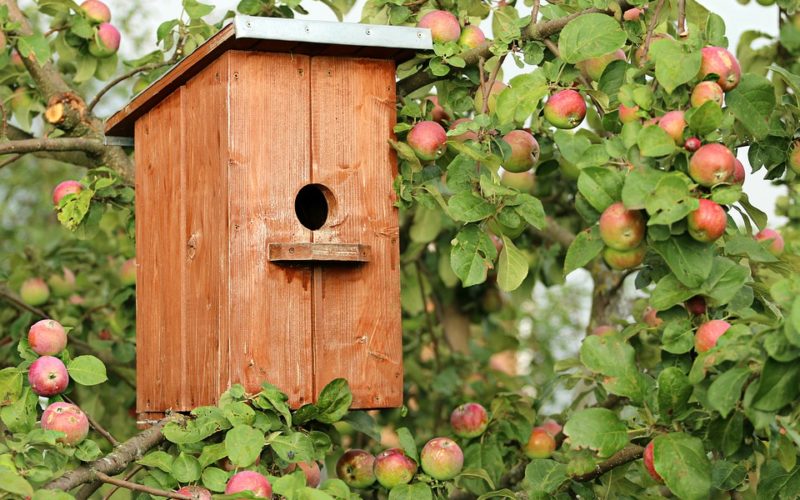
Few DIY projects bring the same quiet satisfaction as building a birdhouse. It is a craft that requires no specialist skills, minimal tools, and very little expense — yet the rewards stretch well beyond the finished product. Families who build birdhouses together are not simply making something for the garden. They are creating a shared experience that teaches patience, creativity, and care for the natural world.
A tradition with deep roots
Humans have been providing shelter for birds for centuries. Across Europe and North America, homemade nest boxes have long been a fixture of rural life, designed to attract species that help control pests and pollinate crops. Today, the tradition continues in back gardens and school workshops, passed from one generation to the next. There is something reassuring about that continuity — the idea that a simple wooden box, made by hand, still holds the same appeal it did hundreds of years ago.
What children gain from the process
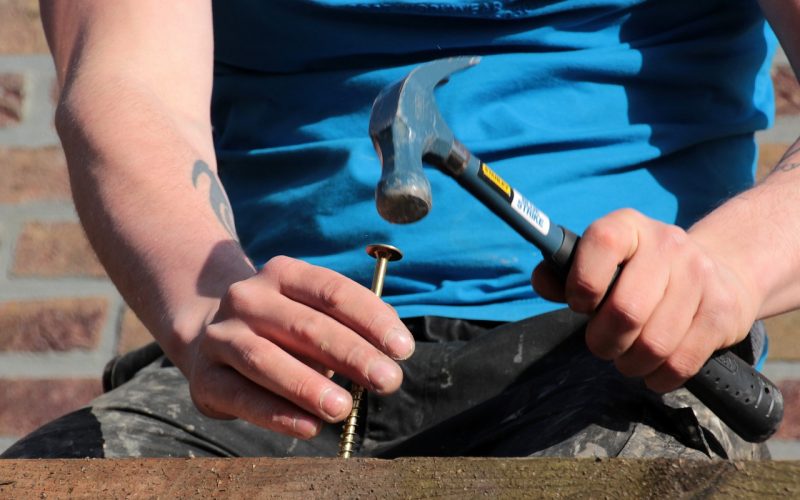
For younger builders, the process is as valuable as the outcome. Measuring and cutting wood introduces basic numeracy and spatial reasoning. Hammering nails develops hand-eye coordination and fine motor skills. Following a plan from start to finish builds concentration and a sense of accomplishment that is difficult to replicate in a classroom setting. When a child sees a bird actually using the house they built, the connection between effort and real-world impact becomes tangible in a way few other projects can match.
Choosing the right design
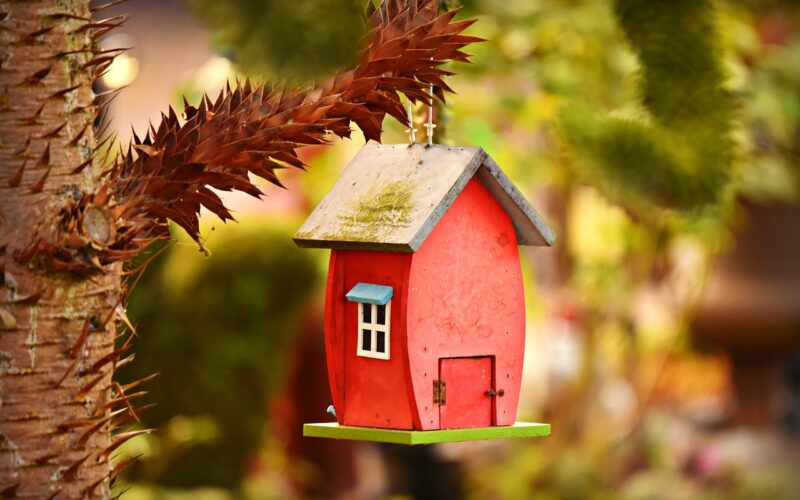
The design of a birdhouse matters more than many first-time builders expect. Different species have different requirements — the size of the entrance hole, the internal dimensions, and the placement of the box all influence which birds are likely to take up residence. Blue tits, for example, prefer a hole of around 25mm in diameter, whilst robins favour open-fronted designs. Researching the birds native to your local area before you start is a practical step that also doubles as an engaging nature lesson for children.
Materials and tools to get started
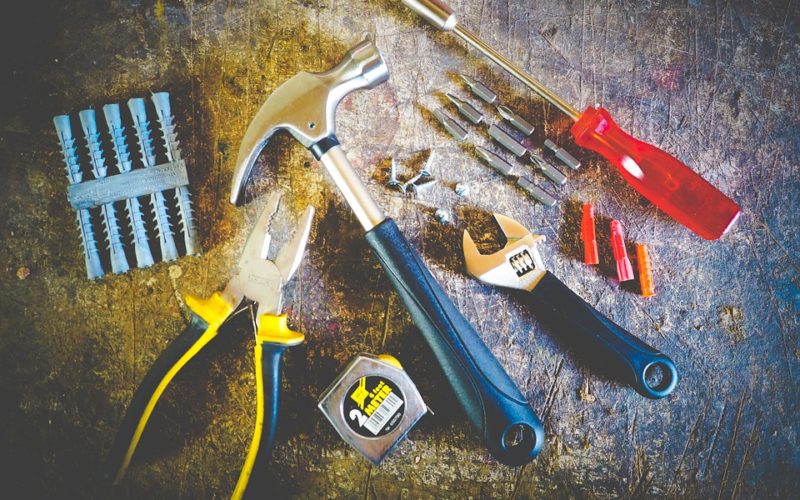
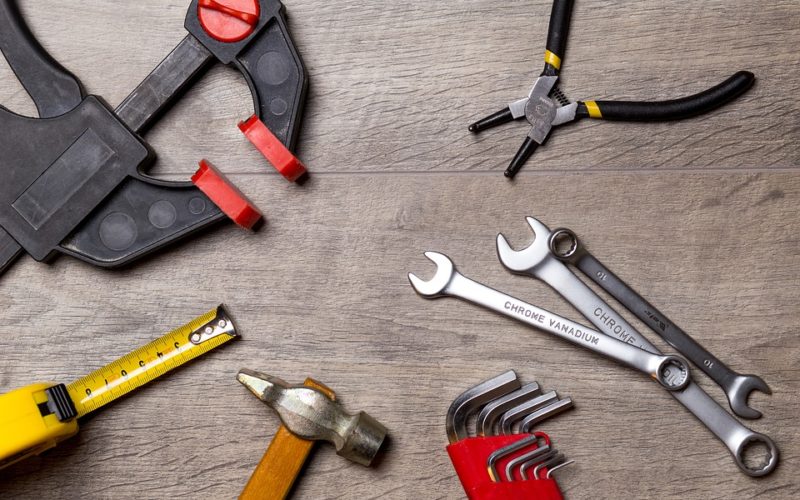
Untreated timber is the material of choice for most birdhouse projects. Softwoods such as pine or cedar are easy to work with and widely available, and they weather naturally over time without posing a risk to nesting birds. A basic toolkit — a saw, a drill, sandpaper, and wood glue — is sufficient for most beginner designs. Avoid using interior-grade plywood, varnish, or wood preservatives on the inside of the box, as these can be harmful to birds and their eggs.
Making it a lasting habit
Building one birdhouse rarely satisfies the appetite it creates. Many families find that the project evolves into an annual ritual — updating old boxes before nesting season, experimenting with new designs, or building boxes specifically for species they have spotted nearby. Some go further, joining local conservation groups or contributing to citizen science programmes that track nesting patterns across the country. What begins as an afternoon activity can quietly grow into a genuine commitment to the environment.
The value of making something together
At its heart, building a birdhouse is about more than carpentry. It is a reason to step away from screens, work with your hands, and focus on something real. The conversations that happen around a workbench — about nature, about patience, about getting things wrong and trying again — are often the ones that stick longest. A birdhouse weathers and warps over the years, but the experience of making it together tends to last considerably longer.